
Remembering Brandon Clarke
On grief and the joy Brandon Clarke brought to Memphis.

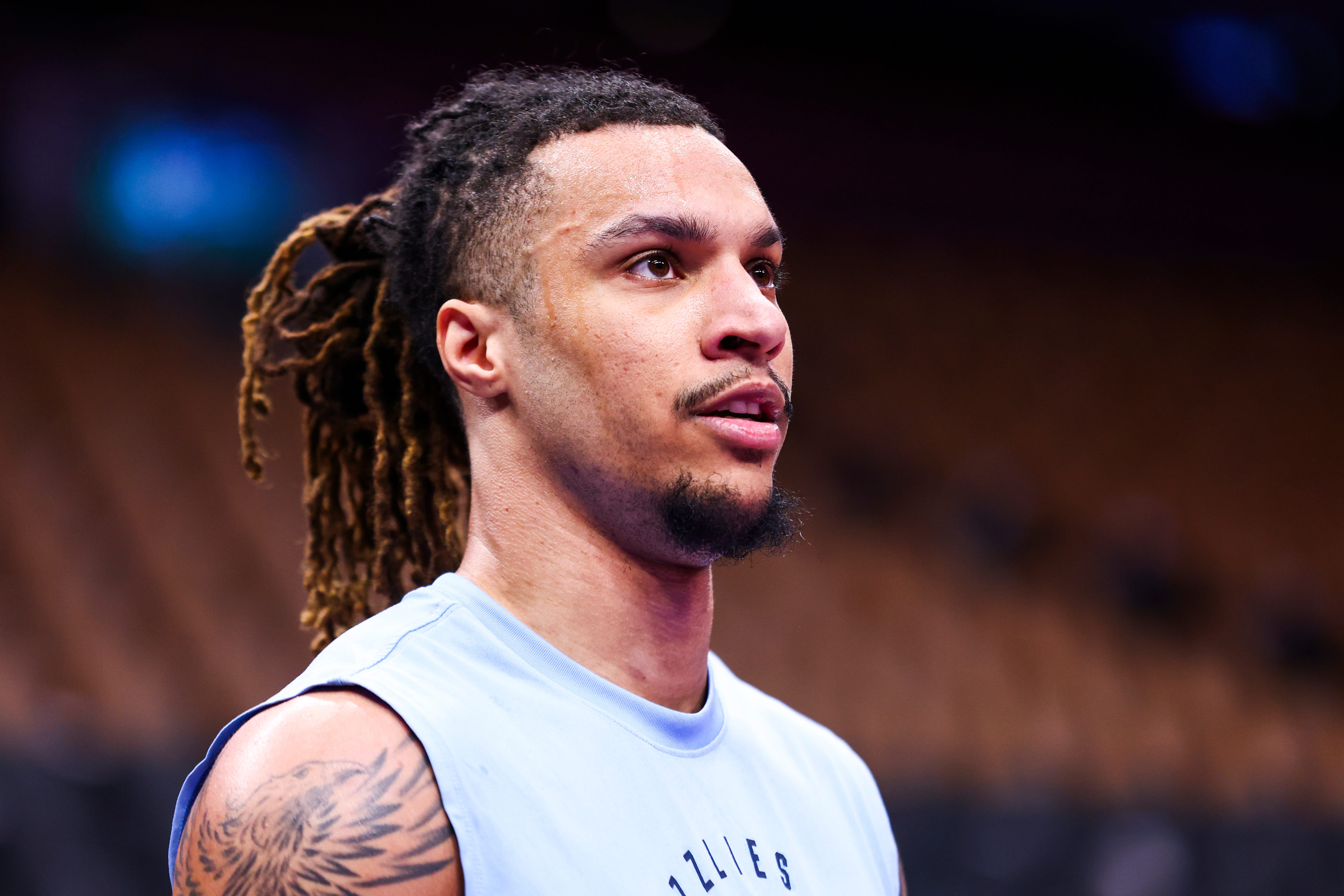
In sports, grief is everywhere. We grieve athletes while they’re still alive.
Maybe their career was derailed by injuries. Maybe age slowly stole the magic they once possessed. Sports are filled with tragic figures frozen in time — preserved in our memories at their peak, forever trapped within the confines of what could have been.
But that kind of grief is digestible. Romantic, even.
It reminds us how deeply sports can move us; how miraculous it feels to witness greatness, even temporarily.
But what do we do when an athlete we love dies?
What happens when the grief stops being metaphorical; when it becomes real and unimaginably painful?
Brandon Clarke came to Memphis at 22-years-old to begin his professional basketball journey. He died before turning 30.
How do you make sense of that?
In seven years, he touched countless lives. His loss will be felt everywhere throughout the city, most profoundly by the teammates he so often wrapped into tight embraces — the same teammates now writing heartbroken tributes, trying to put language to something impossible to understand.
This is not one of those moments where death rewrites somebody into a kinder version of themselves. By every account, Brandon Clarke was exactly who people say he was: loving, joyful, gentle — the kind of person others naturally gravitated towards.
Born in Vancouver, Canada, Brandon loved art and music. Last year, he started a foundation dedicated to supporting families in Memphis facing tragedies and hardships. He cared deeply about childhood literacy, speaking about how much reading and writing shaped him growing up.
And then there was basketball.
On the court, Brandon Clarke seemed to defy gravity. As a rookie, he instantly became one of the most electrifying players on the floor — soaring in from nowhere for blocks, floating impossibly high above the rim. He was selected as a Rising Star in his very first season, because that’s what he was. His ascent felt as infectious as it did inevitable.
Injuries are never supposed to derail a promise. First, a torn Achilles. Then the PCL sprain. More knee issues. A calf strain.
Brandon never appeared consumed by bitterness. Even after basketball took something from him, he still seemed determined to give something back to everyone around him.
From the outside, he remained a symbol of steadiness and warmth. He was always the first to pull a teammate into a hug, always visibly loving the people around him without hesitation or embarrassment.
He and former teammate Jaren Jackson Jr. shared a love of fashion and music, forming a friendship that carried them on adventures around the world. Grizzlies fans loved following along, comforted by the way their bond extended beyond the locker room.
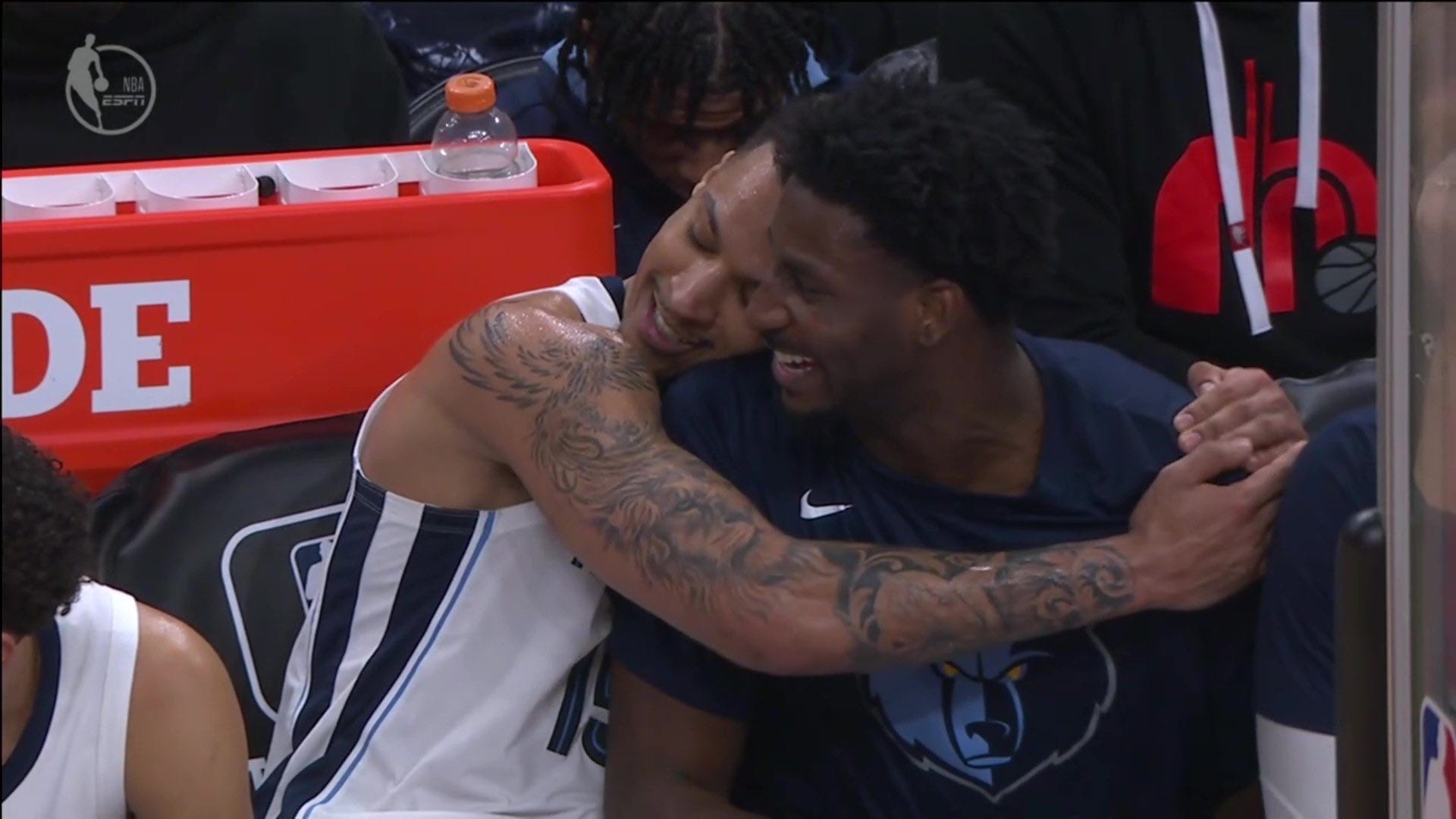
All of these details — not the lost promise of the basketball player, but the loss of the human being — are what make this so difficult to process.
Because even when he was no longer flying, he still made people happy simply by being there.
I hope he understood that.
Thousands of people Brandon Clarke never met are grieving him because of the happiness he brought into their lives; because his presence became a source of comfort.
Every human being leaves traces of themselves in others. Brandon left so many.
There was so much love for BC that he may never have felt. He brought his love and joy playing ball for Memphis and us and we loved him for it. With each injury , I felt a sadness but seeing him on the bench and sidelines with his teammates having a great time helped. You did a great job with this article. Thank you.
Beautifully written.